


2026-03-31
Why sales is part of good veterinary care
For many veterinary professionals, the word sales feels uncomfortable. You became a vet, nurse, or receptionist to help animals, not to pitch products. That instinct is understandable. But it may also be costing your patients.
Recommending the right products and services is not separate from good animal healthcare. It is part of it. When done with integrity and consistency, it improves outcomes for pets, strengthens trust with owners, and keeps independent clinics financially healthy. Care and commerce are not opposites, they are connected.
A recommendation is a professional responsibility
Think about a typical clinic day. A vet recommends a specific parasite prevention protocol. A nurse explains why a therapeutic diet supports recovery. A receptionist follows up on preventive care that avoids a costlier problem later. None of that is selling, it is clinical guidance. It is exactly what pet owners come for.
Pet owners trust their veterinary clinic far more than online reviews or pet shops when it comes to nutrition, supplements, and prevention. When a clinic does not make a clear recommendation, many owners default to whatever they find online, delay treatment, or do nothing. In those cases, the animal loses, and so does the relationship.
What pet owners actually want
Today’s pet owner is informed and engaged. But what they ultimately want from their vet is clarity: “What would you choose if this were your dog?” When teams explain the reasoning behind a recommendation and not just the price then acceptance goes up, compliance improves, and clients feel respected rather than sold to. That is the difference between a transactional interaction and a trusted relationship. Independent clinics are built for the second kind.
The clinic that recommends well is also the clinic that survives
A clinic without financial health cannot provide great care, no matter how skilled the team. Revenue funds equipment, continuing education, and better systems. It is what allows an independent practice to remain independent. Clear, confident recommendations also reduce friction with fewer misunderstandings, fewer price objections, and fewer dissatisfied clients.
Pablo Baños, Member Manager at VetFamily Spain, meets clinic teams every day to support in their development, he says: “When I work with clinics, I often see that hesitation around sales comes from a misunderstanding. Teams don’t want to feel commercial. But once they realise that clear recommendations improve compliance and strengthen pet owner trust, the mindset shifts. The clinics that perform best are the ones communicating clearly and consistently, from consultation to reception.”
It is a team thing
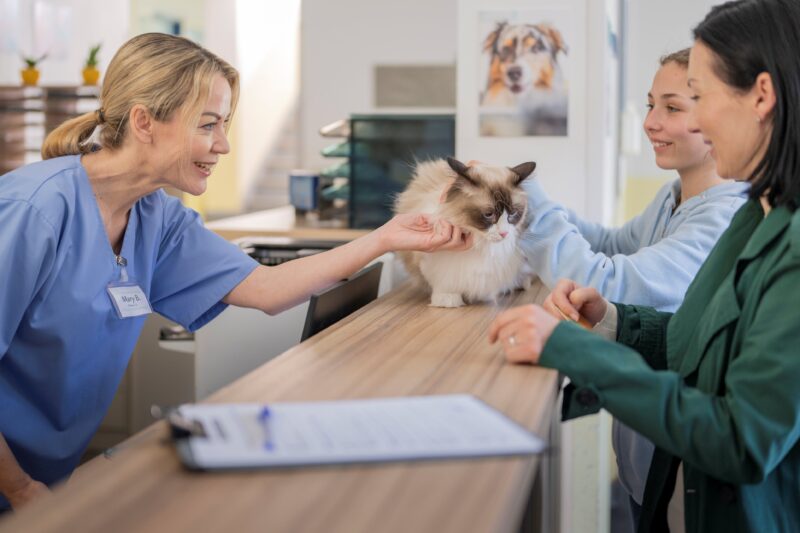
Recommendation culture is never one person’s job. The vet builds trust in the consult room. The nurse reinforces advice with practical context. The receptionist converts intent into action at the desk. And very often, the final yes happens there, not during the consultation. Communication, confidence, and consistency across the whole team are what make it work.
Bettina Bertelsen, VetPlan responsible at VetFamily Denmark, and a passionate advocate for meaningful, trust-based sales says: “Being a good salesperson in a veterinary clinic has nothing to do with pushing products. It starts with listening, understanding the pet, the owner’s concerns, and the real need behind the visit. When we shift from selling more to helping better, everything changes. Pet owners feel respected and supported. And that builds long-term trust.”
As Bettina puts it: “Satisfied pet owners may tell a few friends. Dissatisfied ones tell everyone.”
How VetFamily supports this in practice
At VetFamily, we work closely with independent clinics to help build recommendation culture in a structured, practical way. Three examples illustrate what this looks like.
The Retail Programme helps clinics organise their in-clinic product offering so that what is recommended medically is easy to follow through on practically. It covers product placement, staff communication, and pricing strategy, and creates a coherent link between clinical advice and the front desk. When retail is structured and aligned with clinical guidance, compliance improves and client loyalty strengthens.
VetPlan, our preventive care service, bundles essential care like vaccinations, parasite control, and health checks into a predictable monthly plan for pet owners. It removes cost as a barrier to preventive care, making it easier for clients to say yes and easier for clinic teams to recommend with confidence. The tool and its accompanying training are built around one goal: simplifying the conversation so the focus stays on the animal’s health, not the invoice.
Our training programme for veterinary nurses and receptionists builds the confidence and competence needed in the moments that matter most. It covers professional interaction and client communication, clinic economics and the role each team member plays in the practice’s sustainability, and care hygiene standards. Together, they give front-line staff the tools to recommend clearly, handle difficult conversations calmly, and understand why their role directly shapes both patient outcomes and clinic health.
Our role is not to turn independent clinics into shops. It is to ensure that professional excellence and commercial clarity work together. Because independence is at its strongest when a clinic is both medically excellent and financially solid.
“If it doesn’t start with listening, it’s not good sales, and it’s not good care.”
Bettina Bertelsen