
2026-08-17
Client loyalty starts with knowing the pet
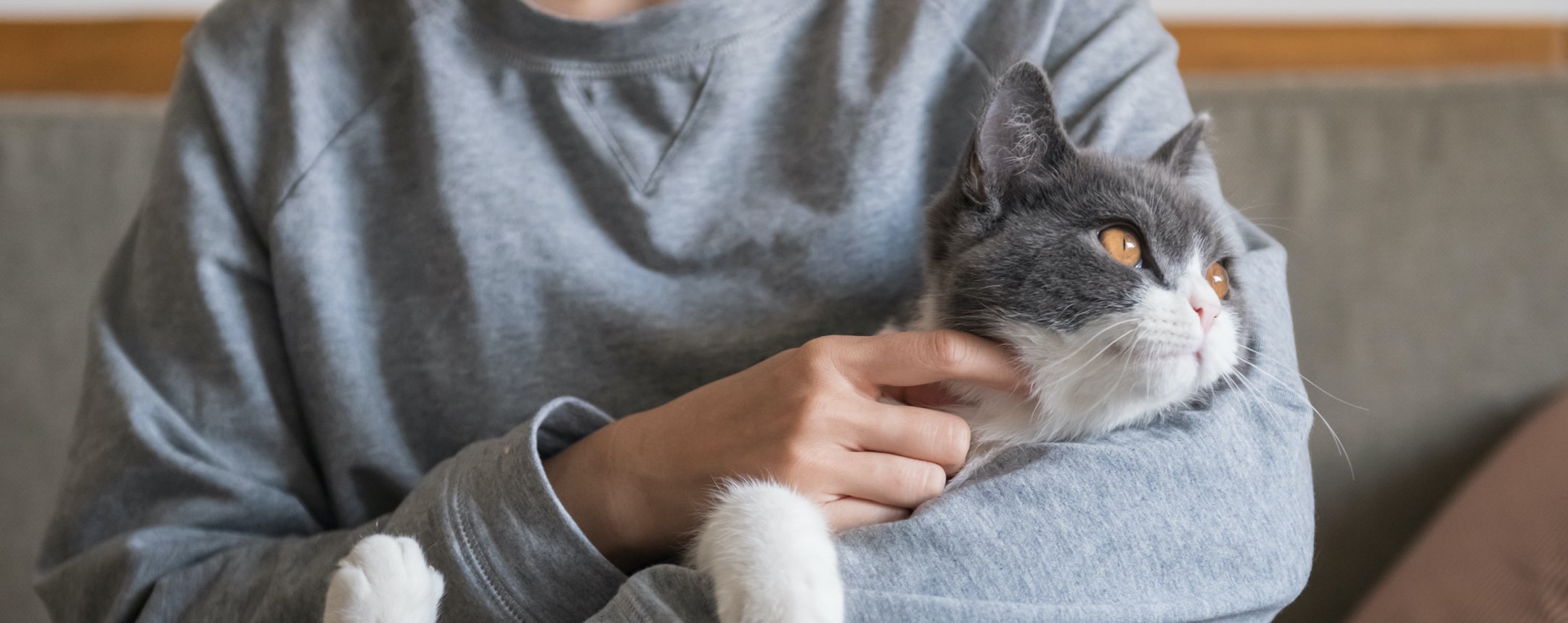
The pet owner sitting across from you isn't just a client. They're someone whose pet genuinely changes their life. For veterinary teams, that matters.
At a time when pet owners have more choices, household budgets are under pressure, and clinics are thinking more about how to keep clients loyal, one of the strongest things an independent clinic can do is also one of the most natural: know the animal, understand the owner, and build a relationship that lasts. Two recent pieces of research help explain why.
Pets really are family
The HABRI International Human-Animal Bond Survey, conducted in partnership with Zoetis, surveyed nearly 20,000 pet owners across ten countries. It found that 94% consider their pet a member of the family. For anyone working in a veterinary clinic, that probably doesn't come as a surprise. But here's where it gets interesting.
The research found that highly bonded pet owners visit their veterinarian more often, are more likely to invest in preventive care, and seek help sooner when something seems wrong. It also found that 87% of pet owners would pay whatever it takes if their pet needed extensive veterinary care.
The stronger the bond, the less likely decisions about veterinary care are to be driven by price alone. Trust matters.
And clinics are thinking about loyalty
Our own VetFamily Member Survey tells the other side of the story. Among 700 independent clinics across nine countries, 51% named client loyalty as their biggest concern. That's understandable. Pet owners are more aware of their options than ever, and household budgets across many markets have been under pressure. The relationship that clinics may once have been able to take for granted now needs more attention.
But the HABRI findings offer an encouraging perspective. Rather than focusing too much on what competitors are doing, clinics can invest in something they already have: the relationship between the team, the pet, and the owner.
The small things are actually the big things
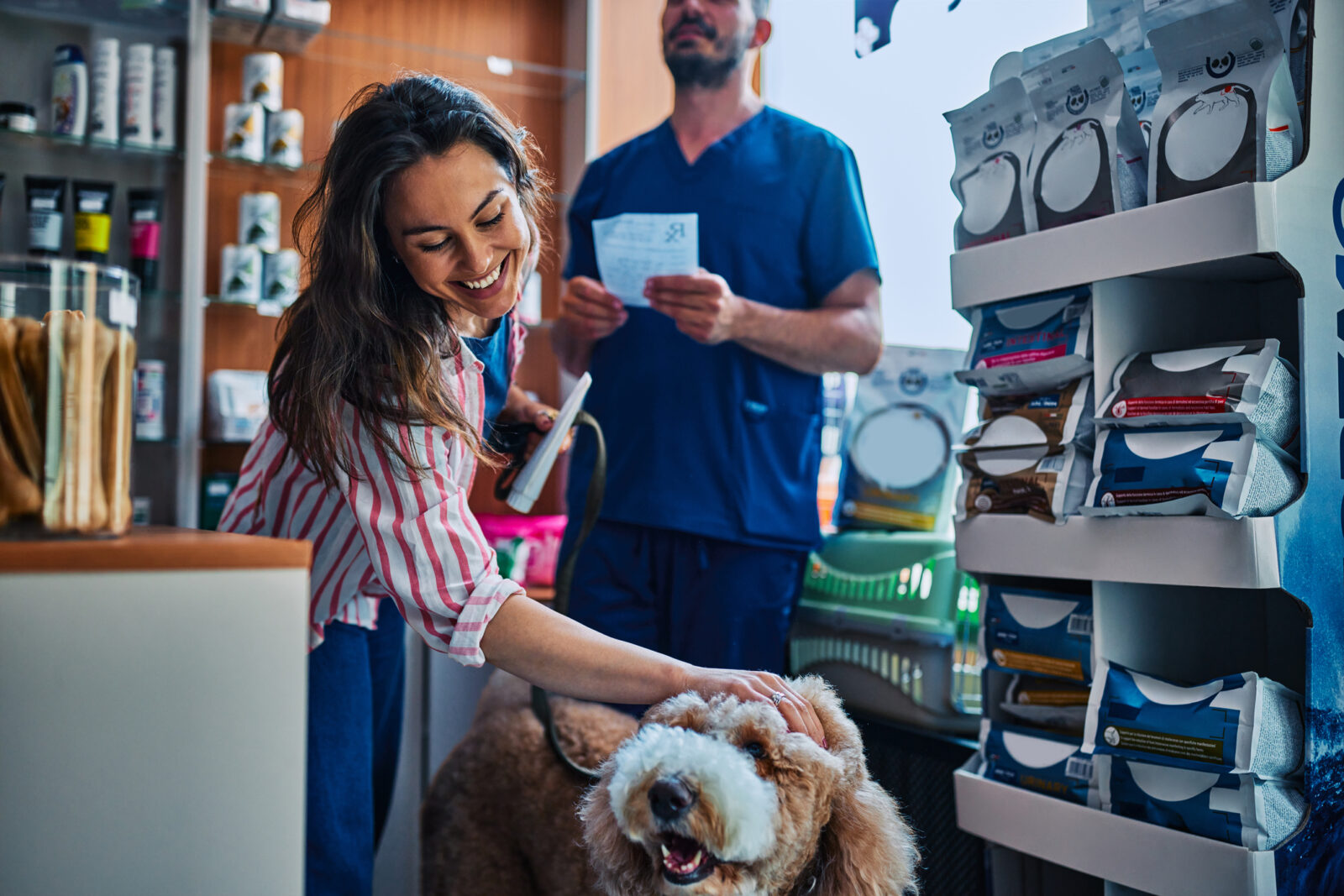
Independent clinics are particularly well placed to build these relationships through continuity and personal knowledge. Seeing the same vet. Talking to a receptionist who remembers your pet. A veterinary professional knowing that this particular dog gets nervous in the waiting room, or remembering that an owner had a difficult time after losing their last cat.
These might feel like small things in a busy clinic day. To a pet owner, they're not. They show that their animal is known and cared about as an individual. And there's an opportunity to go even further.
In the HABRI research, 53% of veterinarians said talking about the human-animal bond helps build stronger client relationships – but only 42% said they regularly have those conversations. Simply asking about the role a pet plays in someone's life can open a different kind of conversation.
Better relationships can mean better care
There's another reason this matters. When pet owners in the HABRI study learned more about the science behind the human-animal bond, 80% said they would be more likely to keep up with regular check-ups, while 59% said they would be willing to spend more on their pet's care.
That's an important reminder for clinic teams. Taking time to understand what an animal means to its owner isn't a distraction from veterinary care. It can help strengthen trust, encourage preventive care, and make it easier for owners to act on the team's recommendations. And ultimately, that can be good for the animal too.
Something independent clinics can build on
Client loyalty isn't created by one big initiative. It's built visit by visit and conversation by conversation. It's the welcome at reception. The vet who listens. The clear recommendation. The follow-up after treatment. The team member who remembers the pet from last time.
Independent clinics have been building relationships like these for generations. In a changing veterinary market, they may be more valuable than ever.
So perhaps the question isn't only: How do we keep our clients? It might be: How do we make every client feel that we genuinely know and care about their pet?
The answer could make a difference not only to client loyalty, but to the health and wellbeing of the animals we all come to work to care for.
Sources: HABRI International Human-Animal Bond Survey (HABRI / Zoetis, 2022–2023), 19,187 pet owners and 1,512 veterinarians across ten countries. VetFamily Member Survey 2025, 700 independent veterinary clinics across nine countries.